
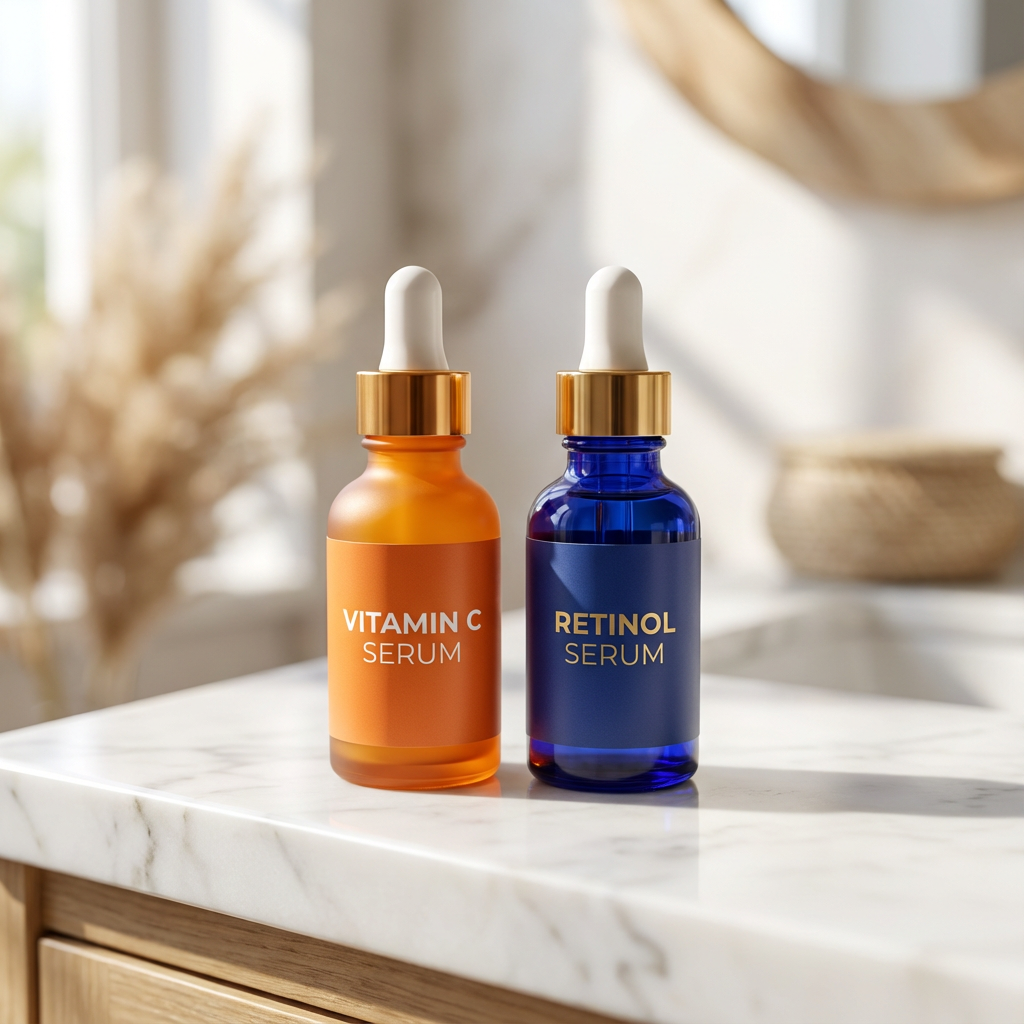
If you have ever scrolled through TikTok skincare trends or walked down the beauty aisle at Sephora, you have likely been bombarded with two superstar ingredients: Vitamin C and Retinol.
Both claim to be the “holy grail” of anti-aging. Both promise to erase wrinkles, fade dark spots, and give you that elusive glass-skin glow. But they work in fundamentally different ways.
As a beginner, it is easy to get confused. Should you use one? Both? And more importantly, will mixing them burn your face off?
At Testalytical, we believe in skincare based on science, not just hype. In this guide, we break down the chemistry behind these two powerhouses to help you decide which one your skin actually needs.
Contender 1: Vitamin C (The Daytime Defender)
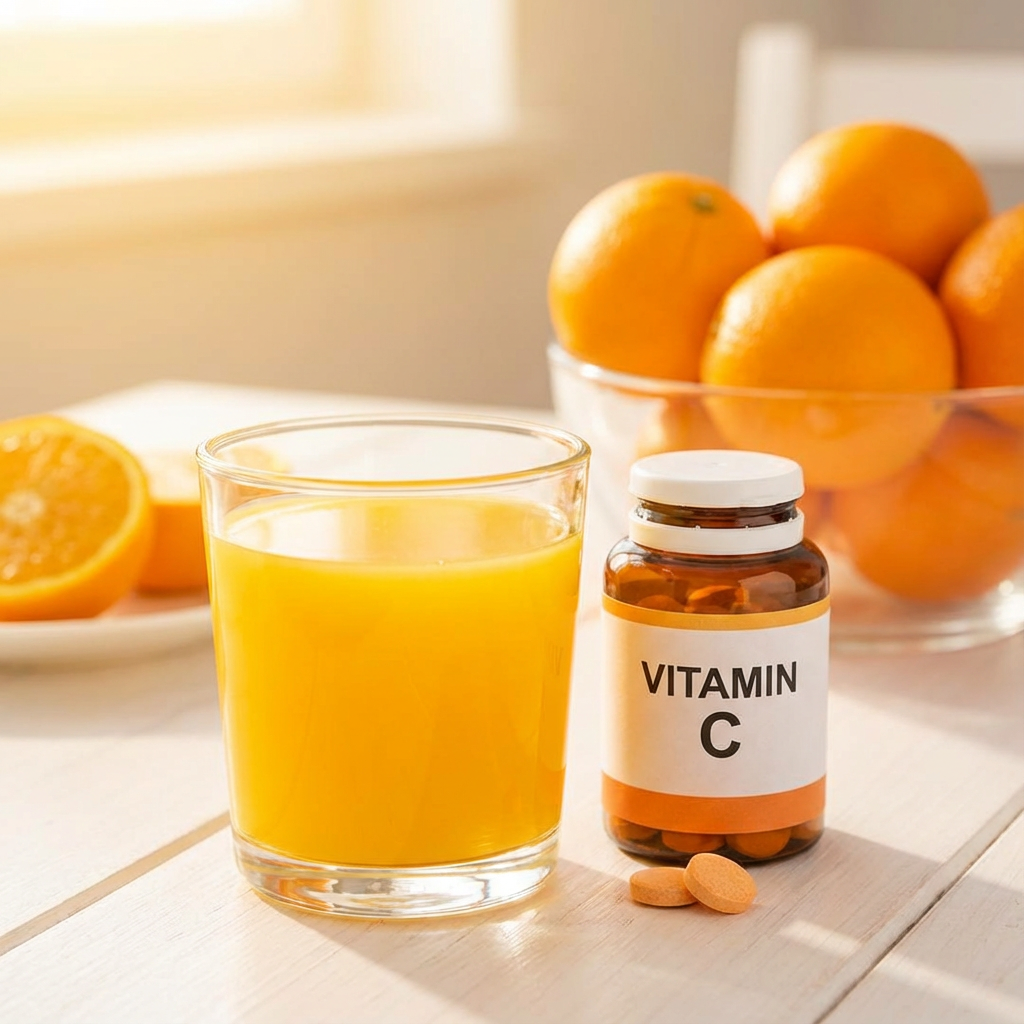
Think of Vitamin C as your skin’s shield. Its primary job is protection.
Scientifically known as L-Ascorbic Acid (in its most potent form), Vitamin C is a powerful antioxidant. Every day, your skin is under attack from “free radicals”—unstable molecules caused by UV rays, pollution, and stress. These free radicals break down your collagen, leading to premature aging.
The Key Benefits:
- Neutralizes Free Radicals: It stops environmental damage before it settles into wrinkles.
- Brightens Complexion: It inhibits melanin production, which helps fade sun spots and acne scars (hyperpigmentation).
- Boosts Collagen: It provides the necessary enzymes to stabilize collagen molecules.
Best For:
Anyone looking to prevent aging, fix dullness, and protect their skin during the day.
Contender 2: Retinol (The Nighttime Architect)
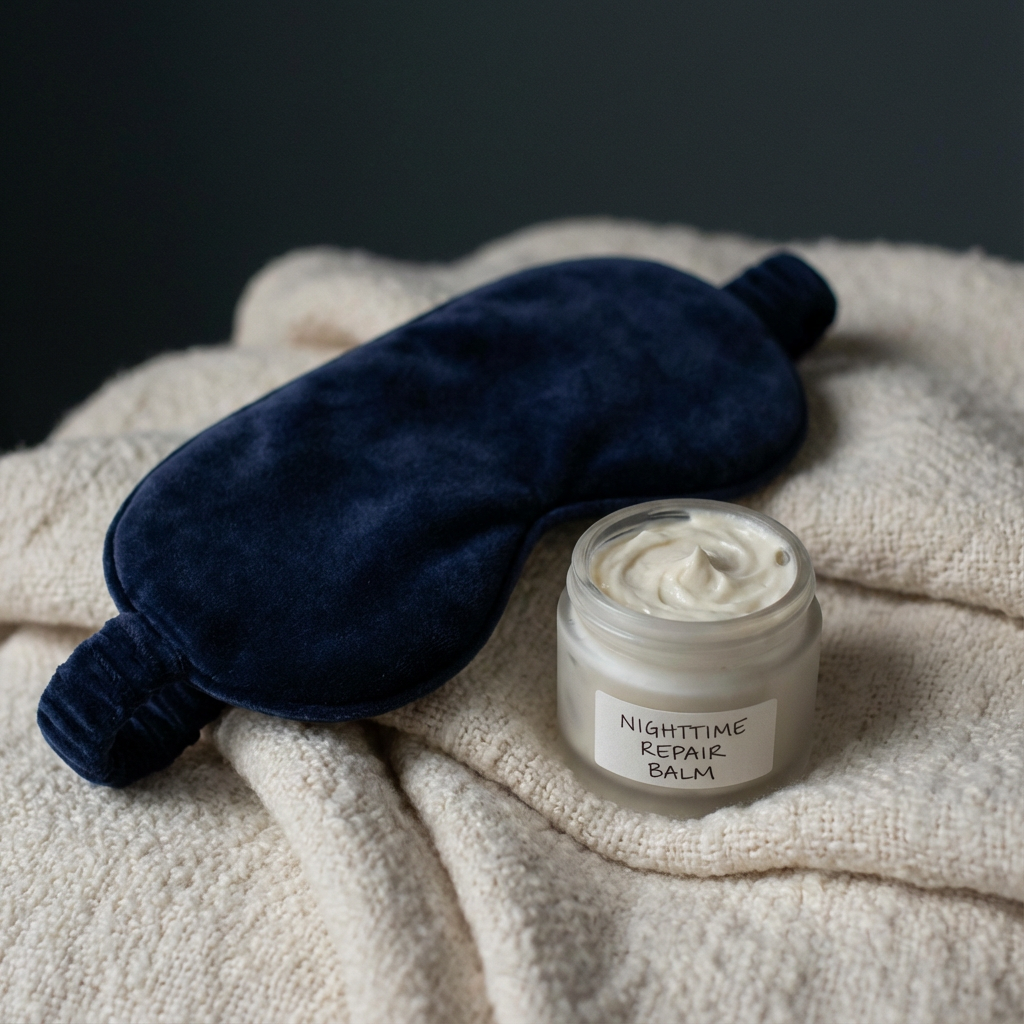
If Vitamin C is the shield, Retinol is the construction crew.
Retinol is a derivative of Vitamin A. Unlike acids that just exfoliate the top layer of skin, Retinol communicates with your cells on a deeper level. It tells your body to speed up cellular turnover—basically, forcing your skin to create new, fresh cells faster than it normally would.
The Key Benefits:
- Reduces Wrinkles: By thickening the deeper layers of skin and stimulating collagen.
- Treats Acne: It prevents dead cells from clogging pores, making it a favorite for acne-prone adults.
- Smoothes Texture: Consistent use leads to baby-soft skin texture.
Best For:
Anyone over 25 concerned with fine lines, texture issues, or adult acne.
The Comparison: At a Glance
Here is how the data stacks up in our analysis:
| Feature | Vitamin C | Retinol |
| Primary Function | Protection & Brightening | Repair & Renewal |
| Best Time to Apply | Morning (AM) | Night (PM) |
| Sensation | Usually tingling (acidic) | Can cause dryness/peeling |
| Time to See Results | 4-8 Weeks for brightness | 12-24 Weeks for wrinkles |
| Sun Sensitivity | Protects against UV damage | Increases sun sensitivity |
The Testalytical Strategy: The “AM/PM” Routine
The good news? You don’t have to choose. In fact, dermatologists often recommend using both—just not at the same time. Mixing them directly can alter their pH levels, rendering them ineffective, or worse, causing severe irritation.
Here is the Testalytical Approved Protocol for maximum results with minimum irritation:
☀️ Morning Routine (Protect)
- Gentle Cleanser: Wash off the sleep.
- Vitamin C Serum: Apply to dry skin. Let it absorb for 60 seconds.
- Moisturizer: Lock in hydration.
- SPF 30+: This is non-negotiable. Vitamin C boosts your sunscreen’s effectiveness!
🌙 Evening Routine (Repair)
- Cleanser: Remove makeup and dirt.
- Retinol Cream/Serum: Start with a pea-sized amount.
- Pro Tip: If you have sensitive skin, use the “Sandwich Method” (Moisturizer -> Retinol -> Moisturizer).
- Heavy Moisturizer: Retinol is drying, so you need extra hydration at night.
Important Safety Warnings (Read Before Buying)
Before you rush to buy these products, keep these “Lab Safety Rules” in mind:
- The “Purge” is Real: When starting Retinol, your skin might get worse before it gets better. You may see peeling or breakouts for the first 2-4 weeks. This is normal—stick with it!
- Sunscreen is Mandatory: Retinol exposes fresh, delicate skin. If you skip sunscreen, you will actually accelerate aging, defeating the whole purpose.
- Start Slow: Don’t use Retinol every night initially. Start with 2 times a week and gradually increase tolerance.
The Testalytical Verdict
So, which one do you need?
- If you are young and mainly want to prevent aging and brighten dull skin: Start with Vitamin C.
- If you are seeing visible lines or struggling with texture/acne: Prioritize Retinol.
- For the ultimate anti-aging plan: Use both, but keep them separated—Vitamin C for your morning coffee, Retinol for your beauty sleep.
Disclaimer: The content on Testalytical.com is for informational purposes only and does not constitute medical advice. Always consult with a professional dermatologist before starting a new active ingredient routine.